
Adele H
Adele H
Secondary, KS3, KS4, KS5 (Post 16)
S, SW & SE Dorset. Including areas around Weymouth, Dorchester, Bridport, Wareham, Poole, Bournemouth and Blandford.
Learning must be accessible in a fun and engaging way – developing the curious mind leads to success.”
Age Range:
7-24
Availability:
In Person
Online
Rate:
£110 per hour
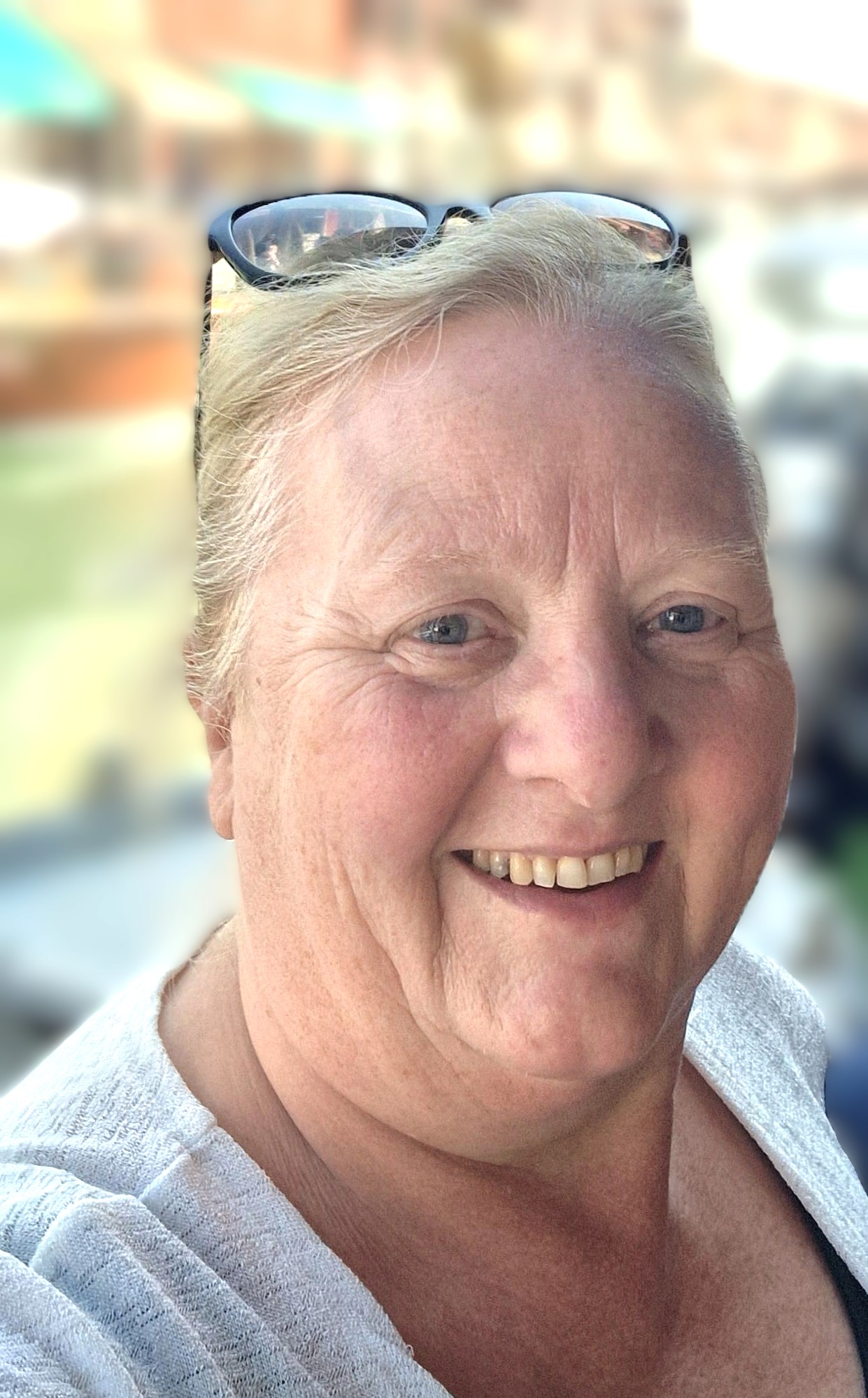
About Me
I am a qualified Teacher for over 10 years, starting out teaching Science and Geography. I have taught Science and “Independent Skills” to SEN students aged 11 to 25yrs. Students had EHCPs with a range of diagnoses including ASC, ADHD, PDA, OCD, SEMH and dyslexia. This was extremely rewarding to support young people who had been out of education for many years, regain their self-confidence and self-esteem to re-engage with study and achieve qualifications.
My passion for working with young people with SEN led me to becoming the Head Teacher of an Independent SEN Secondary School. I led the school through a positive OFSTED inspection, demonstrating a commitment to support children with special educational needs.
As a Tutor, I use my skills and knowledge to make a difference, where barriers to learning are reduced to allow young people to achieve their goals, in a fun and engaging way.
How I teach children with SEND
About me, my expertise, qualifications and SEND experience
I have extensive SEND experience as a highly qualified Teacher and former Head Teacher of an Independent SEN Secondary School in Dorset. I led the school through a positive OFSTED inspection, gaining “good” outcomes, demonstrating my commitment to supporting young people to achieve in an environment they can flourish.
Having BSc and MSc in Sciences, I am passionate about the subjects I teach and have taught young people who have previously not been able to engage in a mainstream environment or have had long periods of time out of education. I have supported students with Educational Health Care Plans (EHCPs) up to the age of 25. Having a son with Autism (ASC) and dyslexia allows me to have both professional and personal experience supporting young people, ensuring they have the opportunities to progress and achieve.
I support neurodiverse students with a range of diagnoses including, Autism (ASC), Attention-Deficit Hyperactivity Disorder (ADHD), Social, Emotional and Mental Health (SEMH) and Pathological Demand Avoidance (PDA). using “Zones of Regulation” enables me to support young people in developing self-regulation with their emotions and am trained to use a therapeutic approach “PACE” in my sessions. The four elements to this approach are “playfulness, acceptance, curiosity and empathy”. This supports young people to feel safe in a nurturing and playful environment, free to make mistakes and free from judgement.
It is important that a young person feels safe in their environment before learning can take place. My ethos is that everyone should have the opportunity to flourish, overcome barriers to learn and achieve their goals to become well-rounded and successful adults.
How I teach students with neurodiverse needs including ASC, ADHD, SEMH and PDA
Gaining a young person’s trust is the building block to successful engagement. Building a good rapport is important before learning can begin. I have extensive experience working with young people who have a range of barriers to learning, due to neurodivergent diagnoses including ASC, ADHD, SEMH and PDA.
I offer a range of learning styles including kinaesthetic, practical activities to encourage interest and positive engagement. I incorporate movement breaks, offer a wide range of sensory tools/toys, build in fun activities, with more artistic activities for those who find them calming. I spend time finding out about a student’s interests and use this to develop resources that will further engage with real-life application. I also feel it is important for the student to feel they have some form of control over their learning, incorporating choice to promote independence and confidence. Positive feedback creates a sense of achievement, through verbal feedback and positive reinforcement. I embed a neurodiverse and trauma informed styles to my sessions and resources, incorporating Zones of Regulation and PACE to the sessions where appropriate.
Some students may struggle to develop and maintain positive social relationships, leading to low self-esteem, frustration and may easily become overwhelmed. It is important to gain their confidence, ensuring the environment is calm and quiet. Topics are split up into manageable chunks, using a range of visual and hands-on activities that promote success and achievement.
How I teach English and Maths (Literacy and Numeracy)
English and maths skills are delivered through fun and engaging activities, related to the real world and that provokes curiosity. Using “props” or visuals to spark interest and conversation. Using a range of resources, kinaesthetic such as puzzles, 3D models, photographs, diagrams etc. Learning can be through game or practical aspects, especially in science. For example, making models out of clay, generating discussion and debate. Using maths skills to look at graphs and working out results of science experiments or drawing a graph from data. Level of complexity depends on the subject, level and ability of the student.
How I help students engage with learning, focus and attention
Initially, it is about getting to know the young person and develop a positive rapport, where there is mutual trust and the young person feels confident and valued to be themselves.
Sessions are designed to encourage interest and curiosity, using student’s own interests to promote positive engagement. I offer a wide range of sensory tools/toys, build in fun activities, with more artistic activities for those who find them calming. I spend time finding out about a student’s interests and use this to develop resources that will further engage with real-life application.
I also feel it is important for the student to feel they have some form of control over their learning, incorporating choice to promote independence and confidence. Having a flexible approach to the session, allows to change an activity, adapting to the needs of the young person. Movement breaks and a change of learning style create opportunities to maintain or regain focus. Students can experiment with different learning styles and activities with encouragement and positive praise, boosting their self-esteem.
How I help students with communication and emotional regulation
To reduce anxiety and support young people to communicate their needs, it is important that they know what to expect and the sessions are predictable and consistent. Any unforeseen changes are discussed prior to the session, if possible, to reduce any anxiety around change. Having a familiar session format can promote a safe environment with clear boundaries where the student can feel secure. Those needing extra support to re-engage with learning, know that they will be safe and are able to work at their own pace in a calm and comfortable environment.
Strategies that support the student emotionally including where appropriate Zones of Regulation strategies and PACE, encourages them to develop a toolbox of strategies they can use, which enables them to communicate and self-regulate in a positive way. A range of sensory “fiddle toys”, small whiteboards, post it notes and visual aids are always available, that can be used for communication, especially initially as we are getting to know each other.
Interested in working with Adele H?
If you'd like to arrange a free no-obligation a consultation with Adele H, complete our form and one of our team will get back to you soon.
Book your FREE consultationMy Availability
Online and face to face sessions
Weekdays: Monday 12.00 – 16.00, Tuesday 09.00 – 18.00, Wednesday 09.00 – 12.00, Thursday 12.00 – 18.00, Friday 12.00 – 17.00
Weekends: Saturday 12.00 – 16.00
Holidays: Availability to be discussed
My Qualifications
- QTLS
- DTLLS (Level 5 Diploma in Teaching)
- MSc Earth Science
- BSc Science
- DSL Designated Safeguarding Lead (Level 3)
My Specialisms
- ADHD
- Autism
- Dyslexia
- High ability
- Other SEND needs
- Pathological Defiance Avoidance Disorder (PDA)
- Social-emotional and mental health difficulties SEMH
- Specific learning difficulties (SpLD)
My Subject Areas
- A Level
- Functional Skills
- GCSE
- Homework and Study Skills
- Science
- Science / STEM
- Social Skills and Self-Esteem
Ages Taught
- KS2 (Ages 7-11)
- KS3 (Ages11-14)
- KS4 (Ages 14-16)
- KS5 (16+)
Adele H
Secondary, KS3, KS4, KS5 (Post 16)
Areas covered:
S, SW & SE Dorset. Including areas around Weymouth, Dorchester, Bridport, Wareham, Poole, Bournemouth and Blandford.
Learning must be accessible in a fun and engaging way – developing the curious mind leads to success.”
Age Range:
7-24
Availability:
In Person
Online
Rate:
£110 per hour
About Me
I am a qualified Teacher for over 10 years, starting out teaching Science and Geography. I have taught Science and “Independent Skills” to SEN students aged 11 to 25yrs. Students had EHCPs with a range of diagnoses including ASC, ADHD, PDA, OCD, SEMH and dyslexia. This was extremely rewarding to support young people who had been out of education for many years, regain their self-confidence and self-esteem to re-engage with study and achieve qualifications.
My passion for working with young people with SEN led me to becoming the Head Teacher of an Independent SEN Secondary School. I led the school through a positive OFSTED inspection, demonstrating a commitment to support children with special educational needs.
As a Tutor, I use my skills and knowledge to make a difference, where barriers to learning are reduced to allow young people to achieve their goals, in a fun and engaging way.
How I teach children with SEND
About me, my expertise, qualifications and SEND experience
I have extensive SEND experience as a highly qualified Teacher and former Head Teacher of an Independent SEN Secondary School in Dorset. I led the school through a positive OFSTED inspection, gaining “good” outcomes, demonstrating my commitment to supporting young people to achieve in an environment they can flourish.
Having BSc and MSc in Sciences, I am passionate about the subjects I teach and have taught young people who have previously not been able to engage in a mainstream environment or have had long periods of time out of education. I have supported students with Educational Health Care Plans (EHCPs) up to the age of 25. Having a son with Autism (ASC) and dyslexia allows me to have both professional and personal experience supporting young people, ensuring they have the opportunities to progress and achieve.
I support neurodiverse students with a range of diagnoses including, Autism (ASC), Attention-Deficit Hyperactivity Disorder (ADHD), Social, Emotional and Mental Health (SEMH) and Pathological Demand Avoidance (PDA). using “Zones of Regulation” enables me to support young people in developing self-regulation with their emotions and am trained to use a therapeutic approach “PACE” in my sessions. The four elements to this approach are “playfulness, acceptance, curiosity and empathy”. This supports young people to feel safe in a nurturing and playful environment, free to make mistakes and free from judgement.
It is important that a young person feels safe in their environment before learning can take place. My ethos is that everyone should have the opportunity to flourish, overcome barriers to learn and achieve their goals to become well-rounded and successful adults.
How I teach students with neurodiverse needs including ASC, ADHD, SEMH and PDA
Gaining a young person’s trust is the building block to successful engagement. Building a good rapport is important before learning can begin. I have extensive experience working with young people who have a range of barriers to learning, due to neurodivergent diagnoses including ASC, ADHD, SEMH and PDA.
I offer a range of learning styles including kinaesthetic, practical activities to encourage interest and positive engagement. I incorporate movement breaks, offer a wide range of sensory tools/toys, build in fun activities, with more artistic activities for those who find them calming. I spend time finding out about a student’s interests and use this to develop resources that will further engage with real-life application. I also feel it is important for the student to feel they have some form of control over their learning, incorporating choice to promote independence and confidence. Positive feedback creates a sense of achievement, through verbal feedback and positive reinforcement. I embed a neurodiverse and trauma informed styles to my sessions and resources, incorporating Zones of Regulation and PACE to the sessions where appropriate.
Some students may struggle to develop and maintain positive social relationships, leading to low self-esteem, frustration and may easily become overwhelmed. It is important to gain their confidence, ensuring the environment is calm and quiet. Topics are split up into manageable chunks, using a range of visual and hands-on activities that promote success and achievement.
How I teach English and Maths (Literacy and Numeracy)
English and maths skills are delivered through fun and engaging activities, related to the real world and that provokes curiosity. Using “props” or visuals to spark interest and conversation. Using a range of resources, kinaesthetic such as puzzles, 3D models, photographs, diagrams etc. Learning can be through game or practical aspects, especially in science. For example, making models out of clay, generating discussion and debate. Using maths skills to look at graphs and working out results of science experiments or drawing a graph from data. Level of complexity depends on the subject, level and ability of the student.
How I help students engage with learning, focus and attention
Initially, it is about getting to know the young person and develop a positive rapport, where there is mutual trust and the young person feels confident and valued to be themselves.
Sessions are designed to encourage interest and curiosity, using student’s own interests to promote positive engagement. I offer a wide range of sensory tools/toys, build in fun activities, with more artistic activities for those who find them calming. I spend time finding out about a student’s interests and use this to develop resources that will further engage with real-life application.
I also feel it is important for the student to feel they have some form of control over their learning, incorporating choice to promote independence and confidence. Having a flexible approach to the session, allows to change an activity, adapting to the needs of the young person. Movement breaks and a change of learning style create opportunities to maintain or regain focus. Students can experiment with different learning styles and activities with encouragement and positive praise, boosting their self-esteem.
How I help students with communication and emotional regulation
To reduce anxiety and support young people to communicate their needs, it is important that they know what to expect and the sessions are predictable and consistent. Any unforeseen changes are discussed prior to the session, if possible, to reduce any anxiety around change. Having a familiar session format can promote a safe environment with clear boundaries where the student can feel secure. Those needing extra support to re-engage with learning, know that they will be safe and are able to work at their own pace in a calm and comfortable environment.
Strategies that support the student emotionally including where appropriate Zones of Regulation strategies and PACE, encourages them to develop a toolbox of strategies they can use, which enables them to communicate and self-regulate in a positive way. A range of sensory “fiddle toys”, small whiteboards, post it notes and visual aids are always available, that can be used for communication, especially initially as we are getting to know each other.
Interested in working with Adele H?
If you'd like to arrange a free no-obligation a consultation with Adele H, complete our form and one of our team will get back to you soon.
Book your FREE consultationMy Availability
Online and face to face sessions
Weekdays: Monday 12.00 – 16.00, Tuesday 09.00 – 18.00, Wednesday 09.00 – 12.00, Thursday 12.00 – 18.00, Friday 12.00 – 17.00
Weekends: Saturday 12.00 – 16.00
Holidays: Availability to be discussed
*Minimum 1.5 hours per session in person
My Qualifications
- QTLS
- DTLLS (Level 5 Diploma in Teaching)
- MSc Earth Science
- BSc Science
- DSL Designated Safeguarding Lead (Level 3)
My Specialisms
- ADHD
- Autism
- Dyslexia
- High ability
- Other SEND needs
- Pathological Defiance Avoidance Disorder (PDA)
- Social-emotional and mental health difficulties SEMH
- Specific learning difficulties (SpLD)
My Subject Areas
- A Level
- Functional Skills
- GCSE
- Homework and Study Skills
- Science
- Science / STEM
- Social Skills and Self-Esteem
Ages Taught
- KS2 (Ages 7-11)
- KS3 (Ages11-14)
- KS4 (Ages 14-16)
- KS5 (16+)
How I teach children with SEND
About me, my expertise, qualifications and SEND experience
I have extensive SEND experience as a highly qualified Teacher and former Head Teacher of an Independent SEN Secondary School in Dorset. I led the school through a positive OFSTED inspection, gaining “good” outcomes, demonstrating my commitment to supporting young people to achieve in an environment they can flourish.
Having BSc and MSc in Sciences, I am passionate about the subjects I teach and have taught young people who have previously not been able to engage in a mainstream environment or have had long periods of time out of education. I have supported students with Educational Health Care Plans (EHCPs) up to the age of 25. Having a son with Autism (ASC) and dyslexia allows me to have both professional and personal experience supporting young people, ensuring they have the opportunities to progress and achieve.
I support neurodiverse students with a range of diagnoses including, Autism (ASC), Attention-Deficit Hyperactivity Disorder (ADHD), Social, Emotional and Mental Health (SEMH) and Pathological Demand Avoidance (PDA). using “Zones of Regulation” enables me to support young people in developing self-regulation with their emotions and am trained to use a therapeutic approach “PACE” in my sessions. The four elements to this approach are “playfulness, acceptance, curiosity and empathy”. This supports young people to feel safe in a nurturing and playful environment, free to make mistakes and free from judgement.
It is important that a young person feels safe in their environment before learning can take place. My ethos is that everyone should have the opportunity to flourish, overcome barriers to learn and achieve their goals to become well-rounded and successful adults.
How I teach students with neurodiverse needs including ASC, ADHD, SEMH and PDA
Gaining a young person’s trust is the building block to successful engagement. Building a good rapport is important before learning can begin. I have extensive experience working with young people who have a range of barriers to learning, due to neurodivergent diagnoses including ASC, ADHD, SEMH and PDA.
I offer a range of learning styles including kinaesthetic, practical activities to encourage interest and positive engagement. I incorporate movement breaks, offer a wide range of sensory tools/toys, build in fun activities, with more artistic activities for those who find them calming. I spend time finding out about a student’s interests and use this to develop resources that will further engage with real-life application. I also feel it is important for the student to feel they have some form of control over their learning, incorporating choice to promote independence and confidence. Positive feedback creates a sense of achievement, through verbal feedback and positive reinforcement. I embed a neurodiverse and trauma informed styles to my sessions and resources, incorporating Zones of Regulation and PACE to the sessions where appropriate.
Some students may struggle to develop and maintain positive social relationships, leading to low self-esteem, frustration and may easily become overwhelmed. It is important to gain their confidence, ensuring the environment is calm and quiet. Topics are split up into manageable chunks, using a range of visual and hands-on activities that promote success and achievement.
How I teach English and Maths (Literacy and Numeracy)
English and maths skills are delivered through fun and engaging activities, related to the real world and that provokes curiosity. Using “props” or visuals to spark interest and conversation. Using a range of resources, kinaesthetic such as puzzles, 3D models, photographs, diagrams etc. Learning can be through game or practical aspects, especially in science. For example, making models out of clay, generating discussion and debate. Using maths skills to look at graphs and working out results of science experiments or drawing a graph from data. Level of complexity depends on the subject, level and ability of the student.
How I help students engage with learning, focus and attention
Initially, it is about getting to know the young person and develop a positive rapport, where there is mutual trust and the young person feels confident and valued to be themselves.
Sessions are designed to encourage interest and curiosity, using student’s own interests to promote positive engagement. I offer a wide range of sensory tools/toys, build in fun activities, with more artistic activities for those who find them calming. I spend time finding out about a student’s interests and use this to develop resources that will further engage with real-life application.
I also feel it is important for the student to feel they have some form of control over their learning, incorporating choice to promote independence and confidence. Having a flexible approach to the session, allows to change an activity, adapting to the needs of the young person. Movement breaks and a change of learning style create opportunities to maintain or regain focus. Students can experiment with different learning styles and activities with encouragement and positive praise, boosting their self-esteem.
How I help students with communication and emotional regulation
To reduce anxiety and support young people to communicate their needs, it is important that they know what to expect and the sessions are predictable and consistent. Any unforeseen changes are discussed prior to the session, if possible, to reduce any anxiety around change. Having a familiar session format can promote a safe environment with clear boundaries where the student can feel secure. Those needing extra support to re-engage with learning, know that they will be safe and are able to work at their own pace in a calm and comfortable environment.
Strategies that support the student emotionally including where appropriate Zones of Regulation strategies and PACE, encourages them to develop a toolbox of strategies they can use, which enables them to communicate and self-regulate in a positive way. A range of sensory “fiddle toys”, small whiteboards, post it notes and visual aids are always available, that can be used for communication, especially initially as we are getting to know each other.
SEND Tutors & Consultants similar to Adele H
My belief is that therapy should always be engaging and fun, with a focus on child-led activities for the best possible outcomes.”
Beth P
Somerset

Beth P
Somerset
Speech & Language Therapist working with children of all ages who have difficulties with speech, language & communication and skills, such as attention, listening and interaction.
Age Range:
0-24
Availability:
Online
Rate:
£140 per hour
The individual attention and support a child receives through tutoring has many benefits – and a chance to learn in a distraction-free environment.”
Sally
Leicester and wider area

Sally
Leicester and wider area
As a teacher of 12 years and a tutor of 9 years, I have excellent experience at working with students with focus and concentration.
Age Range:
5-11
Availability:
In Person
Online
Rate:
£110 per hour
My students are the key stakeholder in their education, and I empower them to discover what and how they’d like to learn.”
Sophie V
East Sussex and surrounding areas, London (please enquire)

Sophie V
East Sussex and surrounding areas, London (please enquire)
Autism Consultant, advising and training those in the public sector in supporting neurodivergent individuals, with 8 years teaching experience in Primary, University and Outdoor/Forest education.
Age Range:
5-16
Availability:
In Person
Online
Rate:
£110 per hour
