Bee A
Bee A
SEND primary Tutor
South West London, Greater London, North Surrey
I believe in building trust, consistency, creativity, and having fun in challenges to achieve success.”
Age Range:
0-11
Availability:
In Person
Online
Rate:
£110 per hour

About Me
In my 16 years of teaching since graduating, I have built up a wealth of experience and expertise in both mainstream and additional needs education, holding posts up to the level of SENCo and deputy head teacher. The children I have worked with have presented with a broad and varied spectrum of needs. I focus on their individual strengths and what works to support them, ensuring we actively work towards achieving their goals. Working collaboratively with a wide variety of children, helping them find learning styles that meet their needs, and focusing on what they can do now and where they need to go is key to success. I use hands-on, practical learning to build their self-confidence and develop their ability to solve problems in the real world.
How I teach children with SEND
About me, my expertise, qualifications and SEND experience
I am a specialist SEND tutor with sixteen years experience working in schools as a class teacher, middle and senior leader. My experience is very hands-on. Throughout my work as a SENDCo, I was fortunate to work alongside and be trained by specialist therapists, including OTs and SLTs putting appropriate adaptations and strategies in place to meet each child’s individual needs and ensure they were able to thrive. I have worked in additional needs units with young people with profound ADHD, with children with ASD, DCD, Di Georgio Syndrome, Apraxia of Speech, hearing loss, and PDA. I understand how important meeting a child’s sensory needs and their anxieties are to make sure they are able to learn effectively.
How I teach students with additional needs such as ASD, ADHD, Dyslexia, DCD, dyscalculia etc
When I first take on a new student, I want to get to know them and build trust. I use a range of approaches to develop a tailored, individualised programme of support for each student I work with. Starting with a full review of all reports, EHCP, IEP and SMART goals, alongside consultation with parents and the child themselves, I build an approach that best suits the child. Using these starting points, I create an individual learning map specifically for them. I consider their sensory profile, areas of special interest and individual regulation needs, as well as my choice of language and use of visual supports. I have worked extensively with children and young people with ASD, ADHD, dyslexia, DCD and dyscalculia. I have also worked with children with DiGeorge syndrome, hearing loss and apraxia of speech.
How I teach Maths
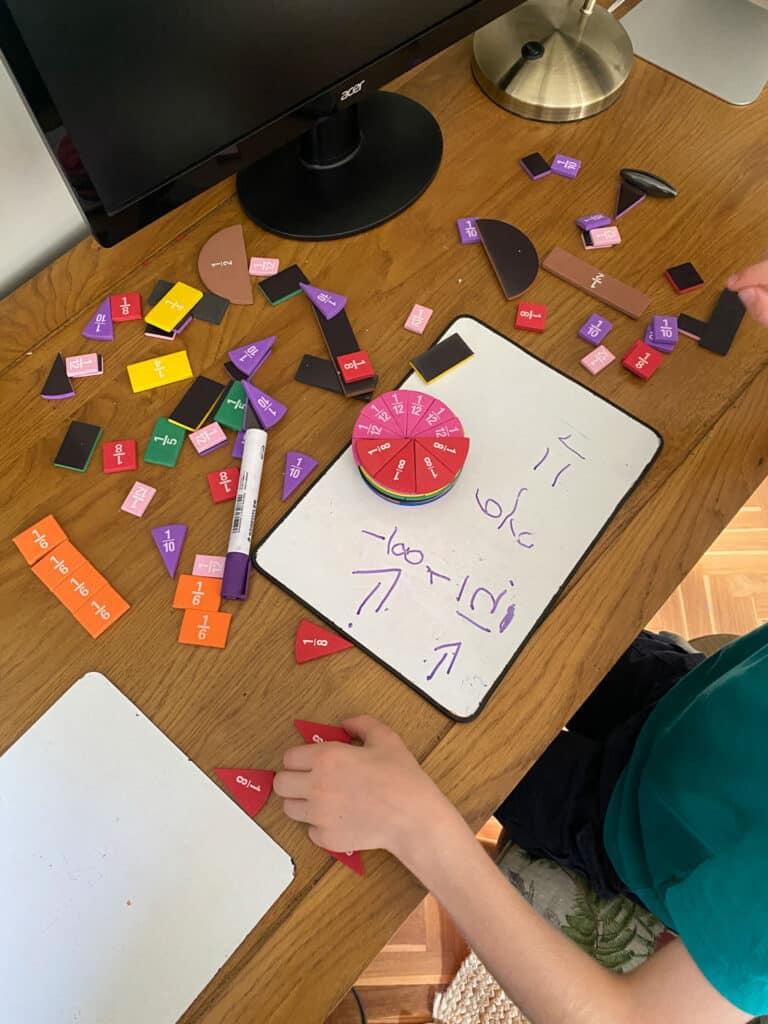
I teach maths using hands-on, practical methods linked with mathematical theory. A child needs to develop a strong understanding of number before they can confidently move on with their mathematical skills. This is best developed through practical activities, I then gradually link these experiences to digits and number words, making sure that number recognition is developing alongside their understanding. Once a child has developed secure number knowledge, we can begin building on this through shapes, colours, patterns and the four basic arithmetic operations. I then support the child to understand the methods they are using to answer questions, rather than simply learning procedures. I like to connect problem-solving to real-life situations such as shopping, budgeting and creating timetables making the learning meaningful and engaging.
How I teach English
I focus on developing a love of books, phonetic development, word recognition using repetition, songs and actions. When teaching writing it’s important to include both the technical aspects of grammar and the creative side of writing. I use a clear structure, particularly for children who struggle to imagine, organise or sequence. Providing images and structures, breaking each section down into paragraphs, and giving clear guidance about what each sentence needs to include can be particularly helpful for children with ASD and for children who struggle with self-organisation and managing their thoughts and ideas. I also teach children how to self-edit, using simple and achievable feedback systems and a planned number of corrections. I teach handwriting from the starting point of hand strength. Where appropriate, I link this to any work the child has undertaken with an OT. I begin with fine-motor development and grip development before progressing to shapes and patterns, letter formation and eventually full words.
How I help students communicate
I would begin by recognising how a child is currently communicating. I look at what they can already do and consider how I can support them to develop these skills further. Communication can take many forms: visual supports, behaviour, words, gestures and sounds. Once I understand how a child is communicating, I can work with them to develop greater clarity and independence. I can begin introducing visual clues, pictures or communication cards so that we can identify how they are feeling. I can teach Makaton and have used the PECS system. My approach is always to understand what communication currently looks like for that individual child and then build on their existing strengths in a way that feels safe, achievable and meaningful.
How I help students engage with learning
For a child to engage with learning they need to experience enjoyment and success within the learning process. I work to embed this into my planning for each child I work with. I use their specialist interest, needs and communication style to make a learning journey that works for them. Balancing success with challenge, I build in success so they experience what that feels like, resets the feedback loop and gets them wanting to engage in what we are doing.
How I make lessons fun
Making lessons fun is as important as working within how their brains work. As part of meeting a child where they are at, I also will try and make the learning light and playful. Using play, even more older children, removes the heaviness children can feel about learning. Can movement be added, can we build a dinosaur park, make a menu for a cafe, research zoo’s or write about transport. Learning works better being fun, creative, practical and supporting a child to see how much fun can be had whilst learning to read, write, count or regulate their senses.
How I help students with focus, attention and emotional regulation
I help children focus and pay attention by first understanding what they need to feel safe, regulated and ready to learn. I use clear routines, visual supports, movement breaks, sensory strategies and short, achievable tasks. I teach Zones of Regulation to help children recognise and manage their emotions. By meeting each child where they are and building gradually, I develop their confidence, attention and ability to engage successfully.
Interested in working with Bee A?
If you'd like to arrange a free no-obligation a consultation with Bee A, complete our form and one of our team will get back to you soon.
Book your FREE consultationMy Availability
In Person
Weekdays: 9:00-4:30
Weekends: no
Holidays: this would depend on the circumstances.
Online
Weekdays: 9:00-5:00
Weekends: no
Holidays: this would depend on the circumstances.
My Qualifications
- BA – Fashion, History and Thoery
- PGCE
- QTS
- BRENT Autism Outreach course
- IPSEA SEND law – course 1
My Specialisms
- ADD
- ADHD
- ADHD/Autism
- Autism
- Autistic Spectrum Conditions
- Communication difficulties
- Complex learning
- DCD (Dyspraxia)
- Dyscalculia
- Dyslexia
My Subject Areas
- Communication and Language
- English / Literacy
- Functional Skills (English & Maths)
- Maths
- Science
- Social Skills and Self-Esteem
Ages Taught
- KS1 (Ages 5-7)
- KS2 (Ages 7-11)
- Pre-School (under 4)
Bee A
SEND primary Tutor
Areas covered:
South West London, Greater London, North Surrey
I believe in building trust, consistency, creativity, and having fun in challenges to achieve success.”
Age Range:
0-11
Availability:
In Person
Online
Rate:
£110 per hour
About Me
In my 16 years of teaching since graduating, I have built up a wealth of experience and expertise in both mainstream and additional needs education, holding posts up to the level of SENCo and deputy head teacher. The children I have worked with have presented with a broad and varied spectrum of needs. I focus on their individual strengths and what works to support them, ensuring we actively work towards achieving their goals. Working collaboratively with a wide variety of children, helping them find learning styles that meet their needs, and focusing on what they can do now and where they need to go is key to success. I use hands-on, practical learning to build their self-confidence and develop their ability to solve problems in the real world.
How I teach children with SEND
About me, my expertise, qualifications and SEND experience
I am a specialist SEND tutor with sixteen years experience working in schools as a class teacher, middle and senior leader. My experience is very hands-on. Throughout my work as a SENDCo, I was fortunate to work alongside and be trained by specialist therapists, including OTs and SLTs putting appropriate adaptations and strategies in place to meet each child’s individual needs and ensure they were able to thrive. I have worked in additional needs units with young people with profound ADHD, with children with ASD, DCD, Di Georgio Syndrome, Apraxia of Speech, hearing loss, and PDA. I understand how important meeting a child’s sensory needs and their anxieties are to make sure they are able to learn effectively.
How I teach students with additional needs such as ASD, ADHD, Dyslexia, DCD, dyscalculia etc
When I first take on a new student, I want to get to know them and build trust. I use a range of approaches to develop a tailored, individualised programme of support for each student I work with. Starting with a full review of all reports, EHCP, IEP and SMART goals, alongside consultation with parents and the child themselves, I build an approach that best suits the child. Using these starting points, I create an individual learning map specifically for them. I consider their sensory profile, areas of special interest and individual regulation needs, as well as my choice of language and use of visual supports. I have worked extensively with children and young people with ASD, ADHD, dyslexia, DCD and dyscalculia. I have also worked with children with DiGeorge syndrome, hearing loss and apraxia of speech.
How I teach Maths
I teach maths using hands-on, practical methods linked with mathematical theory. A child needs to develop a strong understanding of number before they can confidently move on with their mathematical skills. This is best developed through practical activities, I then gradually link these experiences to digits and number words, making sure that number recognition is developing alongside their understanding. Once a child has developed secure number knowledge, we can begin building on this through shapes, colours, patterns and the four basic arithmetic operations. I then support the child to understand the methods they are using to answer questions, rather than simply learning procedures. I like to connect problem-solving to real-life situations such as shopping, budgeting and creating timetables making the learning meaningful and engaging.
How I teach English
I focus on developing a love of books, phonetic development, word recognition using repetition, songs and actions. When teaching writing it’s important to include both the technical aspects of grammar and the creative side of writing. I use a clear structure, particularly for children who struggle to imagine, organise or sequence. Providing images and structures, breaking each section down into paragraphs, and giving clear guidance about what each sentence needs to include can be particularly helpful for children with ASD and for children who struggle with self-organisation and managing their thoughts and ideas. I also teach children how to self-edit, using simple and achievable feedback systems and a planned number of corrections. I teach handwriting from the starting point of hand strength. Where appropriate, I link this to any work the child has undertaken with an OT. I begin with fine-motor development and grip development before progressing to shapes and patterns, letter formation and eventually full words.
How I help students communicate
I would begin by recognising how a child is currently communicating. I look at what they can already do and consider how I can support them to develop these skills further. Communication can take many forms: visual supports, behaviour, words, gestures and sounds. Once I understand how a child is communicating, I can work with them to develop greater clarity and independence. I can begin introducing visual clues, pictures or communication cards so that we can identify how they are feeling. I can teach Makaton and have used the PECS system. My approach is always to understand what communication currently looks like for that individual child and then build on their existing strengths in a way that feels safe, achievable and meaningful.
How I help students engage with learning
For a child to engage with learning they need to experience enjoyment and success within the learning process. I work to embed this into my planning for each child I work with. I use their specialist interest, needs and communication style to make a learning journey that works for them. Balancing success with challenge, I build in success so they experience what that feels like, resets the feedback loop and gets them wanting to engage in what we are doing.
How I make lessons fun
Making lessons fun is as important as working within how their brains work. As part of meeting a child where they are at, I also will try and make the learning light and playful. Using play, even more older children, removes the heaviness children can feel about learning. Can movement be added, can we build a dinosaur park, make a menu for a cafe, research zoo’s or write about transport. Learning works better being fun, creative, practical and supporting a child to see how much fun can be had whilst learning to read, write, count or regulate their senses.
How I help students with focus, attention and emotional regulation
I help children focus and pay attention by first understanding what they need to feel safe, regulated and ready to learn. I use clear routines, visual supports, movement breaks, sensory strategies and short, achievable tasks. I teach Zones of Regulation to help children recognise and manage their emotions. By meeting each child where they are and building gradually, I develop their confidence, attention and ability to engage successfully.
Interested in working with Bee A?
If you'd like to arrange a free no-obligation a consultation with Bee A, complete our form and one of our team will get back to you soon.
Book your FREE consultationMy Availability
In Person
Weekdays: 9:00-4:30
Weekends: no
Holidays: this would depend on the circumstances.
Online
Weekdays: 9:00-5:00
Weekends: no
Holidays: this would depend on the circumstances.
*Minimum 1.5 hours per session in person
My Qualifications
- BA – Fashion, History and Thoery
- PGCE
- QTS
- BRENT Autism Outreach course
- IPSEA SEND law – course 1
My Specialisms
- ADD
- ADHD
- ADHD/Autism
- Autism
- Autistic Spectrum Conditions
- Communication difficulties
- Complex learning
- DCD (Dyspraxia)
- Dyscalculia
- Dyslexia
My Subject Areas
- Communication and Language
- English / Literacy
- Functional Skills (English & Maths)
- Maths
- Science
- Social Skills and Self-Esteem
Ages Taught
- KS1 (Ages 5-7)
- KS2 (Ages 7-11)
- Pre-School (under 4)
How I teach children with SEND
About me, my expertise, qualifications and SEND experience
I am a specialist SEND tutor with sixteen years experience working in schools as a class teacher, middle and senior leader. My experience is very hands-on. Throughout my work as a SENDCo, I was fortunate to work alongside and be trained by specialist therapists, including OTs and SLTs putting appropriate adaptations and strategies in place to meet each child’s individual needs and ensure they were able to thrive. I have worked in additional needs units with young people with profound ADHD, with children with ASD, DCD, Di Georgio Syndrome, Apraxia of Speech, hearing loss, and PDA. I understand how important meeting a child’s sensory needs and their anxieties are to make sure they are able to learn effectively.
How I teach students with additional needs such as ASD, ADHD, Dyslexia, DCD, dyscalculia etc
When I first take on a new student, I want to get to know them and build trust. I use a range of approaches to develop a tailored, individualised programme of support for each student I work with. Starting with a full review of all reports, EHCP, IEP and SMART goals, alongside consultation with parents and the child themselves, I build an approach that best suits the child. Using these starting points, I create an individual learning map specifically for them. I consider their sensory profile, areas of special interest and individual regulation needs, as well as my choice of language and use of visual supports. I have worked extensively with children and young people with ASD, ADHD, dyslexia, DCD and dyscalculia. I have also worked with children with DiGeorge syndrome, hearing loss and apraxia of speech.
How I teach Maths
I teach maths using hands-on, practical methods linked with mathematical theory. A child needs to develop a strong understanding of number before they can confidently move on with their mathematical skills. This is best developed through practical activities, I then gradually link these experiences to digits and number words, making sure that number recognition is developing alongside their understanding. Once a child has developed secure number knowledge, we can begin building on this through shapes, colours, patterns and the four basic arithmetic operations. I then support the child to understand the methods they are using to answer questions, rather than simply learning procedures. I like to connect problem-solving to real-life situations such as shopping, budgeting and creating timetables making the learning meaningful and engaging.
How I teach English
I focus on developing a love of books, phonetic development, word recognition using repetition, songs and actions. When teaching writing it’s important to include both the technical aspects of grammar and the creative side of writing. I use a clear structure, particularly for children who struggle to imagine, organise or sequence. Providing images and structures, breaking each section down into paragraphs, and giving clear guidance about what each sentence needs to include can be particularly helpful for children with ASD and for children who struggle with self-organisation and managing their thoughts and ideas. I also teach children how to self-edit, using simple and achievable feedback systems and a planned number of corrections. I teach handwriting from the starting point of hand strength. Where appropriate, I link this to any work the child has undertaken with an OT. I begin with fine-motor development and grip development before progressing to shapes and patterns, letter formation and eventually full words.
How I help students communicate
I would begin by recognising how a child is currently communicating. I look at what they can already do and consider how I can support them to develop these skills further. Communication can take many forms: visual supports, behaviour, words, gestures and sounds. Once I understand how a child is communicating, I can work with them to develop greater clarity and independence. I can begin introducing visual clues, pictures or communication cards so that we can identify how they are feeling. I can teach Makaton and have used the PECS system. My approach is always to understand what communication currently looks like for that individual child and then build on their existing strengths in a way that feels safe, achievable and meaningful.
How I help students engage with learning
For a child to engage with learning they need to experience enjoyment and success within the learning process. I work to embed this into my planning for each child I work with. I use their specialist interest, needs and communication style to make a learning journey that works for them. Balancing success with challenge, I build in success so they experience what that feels like, resets the feedback loop and gets them wanting to engage in what we are doing.
How I make lessons fun
Making lessons fun is as important as working within how their brains work. As part of meeting a child where they are at, I also will try and make the learning light and playful. Using play, even more older children, removes the heaviness children can feel about learning. Can movement be added, can we build a dinosaur park, make a menu for a cafe, research zoo’s or write about transport. Learning works better being fun, creative, practical and supporting a child to see how much fun can be had whilst learning to read, write, count or regulate their senses.
How I help students with focus, attention and emotional regulation
I help children focus and pay attention by first understanding what they need to feel safe, regulated and ready to learn. I use clear routines, visual supports, movement breaks, sensory strategies and short, achievable tasks. I teach Zones of Regulation to help children recognise and manage their emotions. By meeting each child where they are and building gradually, I develop their confidence, attention and ability to engage successfully.
SEND Tutors & Consultants similar to Bee A
“A good teacher can inspire hope, ignite the imagination, and instil a love of learning.” – Brad Henry”
Darren T
South West London and Norwich

Darren T
South West London and Norwich
Experienced, nurturing, and dedicated SEN specialist who brings learning to life by tailoring every session to the needs, interests, and strengths of the child.
Age Range:
5-25+
Availability:
In Person
Online
Rate:
£110 per hour
Teaching with compassion, kindness and creativity leads to confident learners.”
Philippa E
Marlow
Philippa E
Marlow
I am always honoured to be a part of my students’ journey towards their adult lives, helping them find their individual path and finding their place in the world.
Age Range:
0-16
Availability:
In Person
Rate:
£130 per hour
Specialisist in AutPlay Therapy, which supports neurodivergent children and combines play therapy and family therapy. ”
Catherine (Katy)
Tooting Bec, London
Catherine (Katy)
Tooting Bec, London
Supporting children with SEND and their families, I understanda childs needs and motivation to build your child’s confidence to reach their full potential.
Age Range:
5-14
Availability:
In Person
Online
Rate:
£120 per hour (Play Therapist £180)