
SENDTutoring

SEN Stories
Oct 30
13 Min Read
Finding Work That Works: A Career Guide for Parents of Children with SEND
Finding a job is one thing. Finding one that fits around the realities of raising a child with special educational needs and disabilities (SEND) is another.

Media
Oct 14
7 Min Read
StimPad: Exploring Auditory Stimming Through Sound
Inspired by his own son’s love of sounds, independent developer Brock Hall created StimPad, an app that brings together 95 familiar noises in one easy-to-use place. With a wide variety of sounds to explore, it offers a simple way to find and enjoy personal favourites, whether at home, during learning or on the go.
Support
Oct 02
8 Min Read
ADHD Does Not Need to Be ‘Fixed’: What Understanding a Child Can Change
We do not have to choose between recognising that ADHD can create significant difficulties and recognising that an ADHD brain does not need to be treated as a faulty version of somebody else’s.
Media
Oct 02
11 Min Read
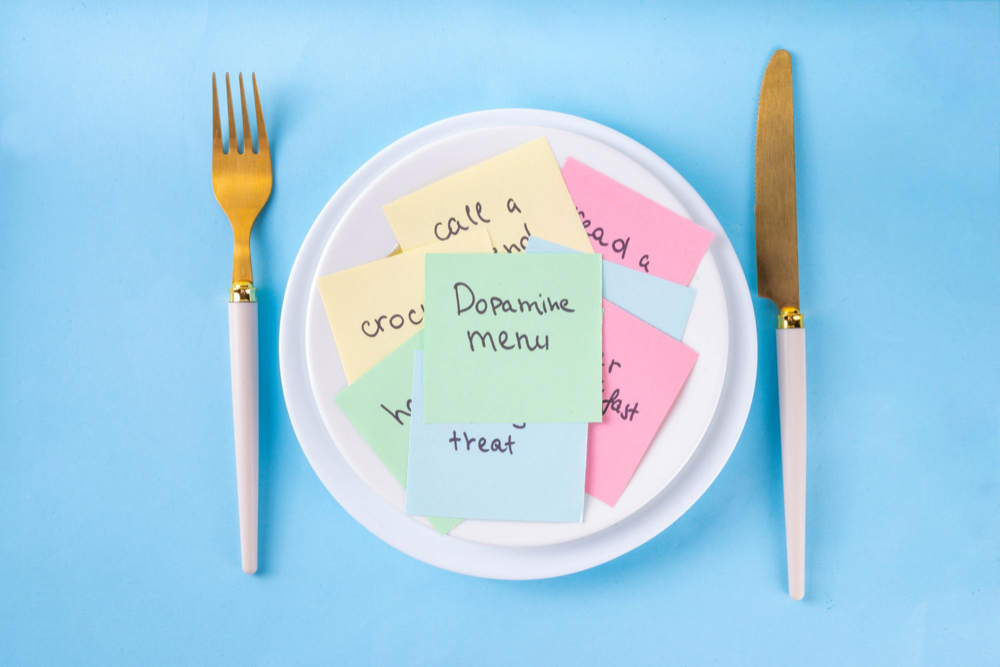
The Dopamine Menu: Keeping ADHD Brains Motivated
This ADHD Awareness Month, discover how a dopamine menu can help us work with, rather than against, the way ADHD brains respond to motivation and reward.

SEN Stories
Sep 18
7 Min Read
A Helping Paw: How Autism Assistance Dogs Support Young People
When a dog helps with regulation and confidence outside the home, it often has a knock‑on effect on other parts of life too, including learning.
Media
Sep 04
10 Min Read
Q&A with Ripplevale: What’s Out There for Young People Who Learn Best by Doing?
For learners with complex profiles, this approach isn’t just beneficial; it’s often essential. Real‑world tasks provide sensory feedback, movement, structure and purpose, the ingredients that help students stay motivated, calm and connected.
News
Aug 20
5 Min Read
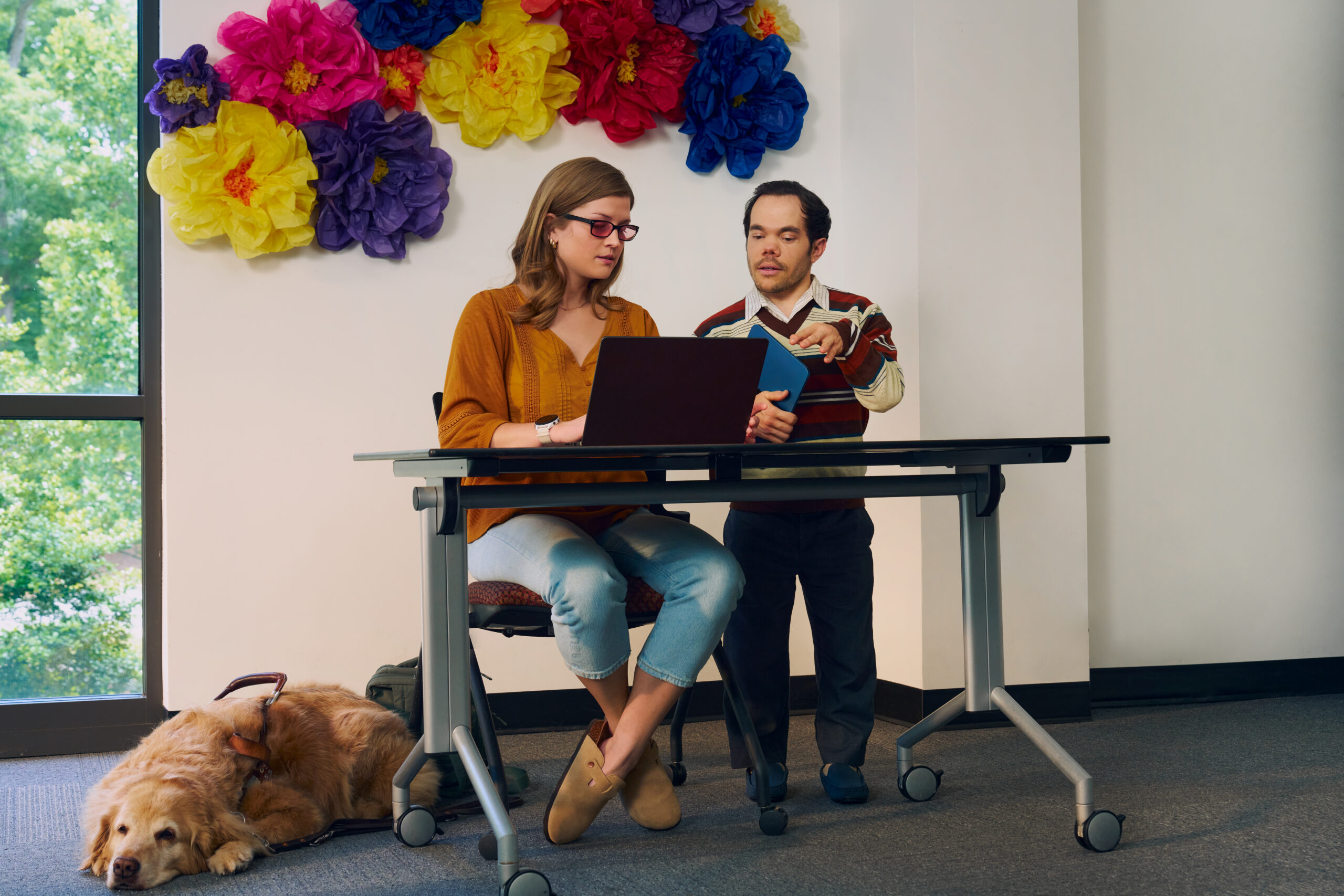
All in Frame: A New Disability Stock Photo Collection That Finally Gets Representation Right
Children and adults with disabilities rarely see themselves reflected accurately in stock imagery, advertising, or educational materials. Authentic representation impacts how children understand themselves and how their peers understand disability.

Support
Aug 06
14 Min Read
Preparing for SEND Reform: Building an inclusive system
In this Q&A, Natalie acknowledges the pressures schools face, the misconceptions circulating, and the real challenges ahead. But she also highlights the opportunities: stronger inclusion, earlier support, and a system designed around belonging rather than bureaucracy.

SEN Stories
Jul 15
7 Min Read
Beyond the Label: Rethinking How We Describe Autistic Support Needs
We don’t need to erase the concept of support needs. We just need to stop “keeping score”. Stop assuming visible behaviour tells the whole story.

Media
Jun 29
21 Min Read
A Parent’s Guide to Alternative Pathways
If mainstream schooling has stopped feeling workable, it’s completely valid to look at other routes. Children evolve, and their learning needs evolve too, and the environment around them has to adapt with them. When it doesn’t, families are left trying to hold everything together without the right support.
SEN Stories
Jun 24
14 Min Read
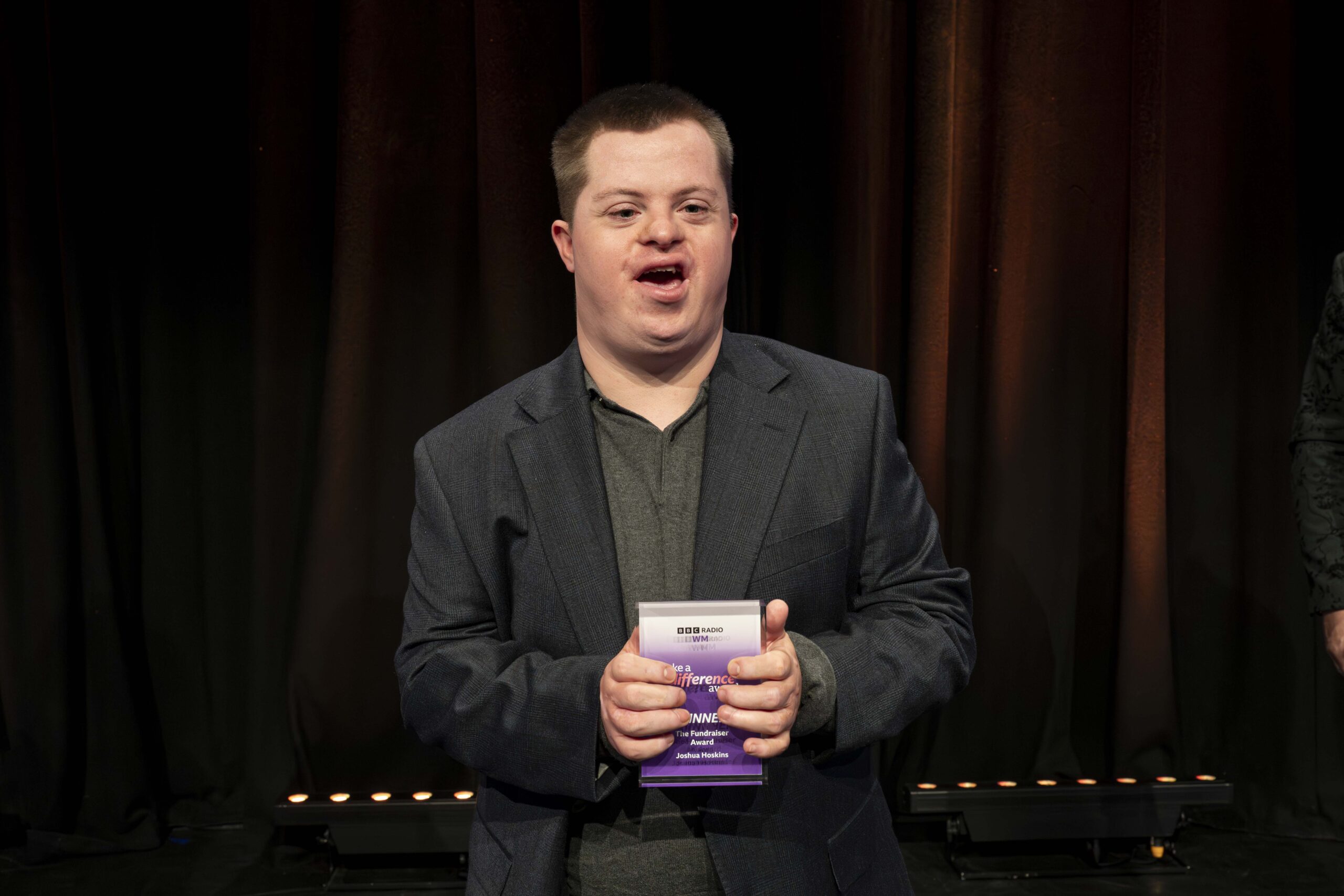
“If I Can, You Can”: Joshua Hoskins’ Insight Into What Inclusive Workplaces Should Look Like
When employers focus on strengths rather than assumptions, everything changes. Strength‑based recruitment helps employers see what a young person can do, rather than what they imagine they can’t.

Media
Jun 12
17 Min Read
How Can Mentoring Transform a Young Person’s Confidence, Wellbeing, and Learning?
Whether that happens through in‑person tutoring, online emotional support, or a blend of both, mentoring can be a powerful anchor. As our Q&A with MindJam shows us so clearly, the right relationship can make all the difference.