
A Helping Paw: How Autism Assistance Dogs Support Young People
When a dog helps with regulation and confidence outside the home, it often has a knock‑on effect on other parts of life too, including learning.
Sep 18
Summary
Autism assistance dogs can make everyday environments more accessible for autistic children and young people, offering practical support with regulation, confidence, and independence
Imagine waking up every morning knowing that stepping through your front door means stepping straight into sensory overload. For many autistic children and teenagers, this isn’t an occasional bad day, it is daily reality. For parents, watching a bright, capable child retreat into the house to escape a world that feels uncomfortably loud and bright is heartbreaking. You aren’t looking to change who your child is; you’re looking for practical tools that help them navigate their surroundings on their own terms.
Far beyond the quiet comfort of a household pet, a qualified Autism Assistance Dog is a trained working partner. They stand beside an autistic young person as a physical anchor, helping absorb the daily sensory static and giving them the confidence to try new things.

What Autism Assistance Dogs Are Trained to Do
To understand why these dogs are so transformative, it helps to look at what happens in the exact moments when sensory or emotional overwhelm strikes. Rather than just accompanying a young person, an assistance dog actively performs tasks designed to restore balance and safety. As The Autism Assistance Dogs Charity explains, these working partners are “trained to perform a number of tasks to help their handler to cope with challenges, manage their anxiety, grow in confidence, interact with others and maintain a happy and healthy lifestyle.”
To qualify as an official assistance dog, each dog learns at least three custom skills to help ease day to day difficulties. These practical skills include:
- Deep Pressure Therapy (DPT): When anxiety builds up, the dog rests its body weight across the handler’s lap or body to offer calming physical feedback. This gentle pressure works much like a weighted blanket, settling an overwhelmed nervous system and helping slow a racing heart during the day or at night to support better sleep.
- Meltdown Response and Interventions: Meltdowns happen when an autistic person feels completely overwhelmed by sensory overload, fear, or frustration. Assistance dogs are trained to stay calm through erratic movements or distress. Depending on what the young person needs, a dog can fetch ear defenders or sunglasses to tone down harsh sounds and lights, or bring over essential items like medication, a mobile phone, keys, or a favourite comfort toy.
- Self-Harm Interruption: Dogs learn to spot early signs of distress and self-injuring behaviour. They step in gently using their paws to interrupt skin scratching or use their body to block someone from hitting their head.
- Motor Skill & Routine Assistance: For handlers who struggle with coordination or fine motor skills, dogs can pick up dropped items or respond to medication alarms with a gentle touch of a paw. Daily care like feeding and walking the dog also creates a comforting routine, encourages physical movement, and builds healthy habits.
- Creating Physical Buffers & Non-Judgemental Support: Dogs don’t ask for eye contact or complicated social interaction. They offer simple, unconditional support that bypasses social exhaustion, creating a natural physical barrier in busy crowds and acting as a steady, reassuring focal point when surroundings get chaotic.
As The Autism Assistance Dogs Charity highlights, these special skills are designed to provide “reassurance, security and friendship”.
The Role of The Autism Assistance Dogs Charity
Getting a working dog into a family’s routine requires a specialised, highly individual approach, which is precisely where The Autism Assistance Dogs Charity steps in. They run a structured programme designed around the specific profile of each child.
Their process begins with precision matching to pair a dog whose natural temperament aligns with the energy, sensory profile, and home life of the young person. From there, they customise the dog’s task training to address the child’s specific triggers, whether that means grounding during panic, fetching sensory aids, or guiding them safely away from overwhelming environments.
Just as importantly, the charity empowers the whole family by coaching parents and children together on handling skills, public outings, and understanding public access rights. Some families even successfully work to include assistance dogs directly into their child’s Education, Health and Care Plan (EHCP) to ensure educational settings recognise the dog’s role in daily stability. The charity remains on hand long-term to offer continuous guidance as the young person grows, hits new developmental milestones, and encounters new environments.
Real-World Impact: Isla and Ronnie’s Journey
What does this support look like in practice? Look at the story of Kerry Bentley, an award-winning neurodiversity inclusion specialist, and her daughter Isla. As Kerry shares:
“A year ago, our daughter’s life changed completely. A gorgeous and incredibly lively black labrador called Ronnie came into her life as her Autism Assistance Dog. And he’s changed her life in so many ways. A year ago, she couldn’t leave the house on her own.”
With Ronnie by her side to help share the sensory weight of outside environments, Isla’s life transformed over the course of a single year. As Kerry explains, the increased confidence and independence Ronnie provided allowed Isla to achieve milestones that had previously felt impossible:
“With the increased confidence and independence he’s given her she’s been able to: sit all of her GCSEs, attend innumerable medical appointments, take part in school trips and use public transport, spend a whole weekend away from home on explorer scout camp, navigate crowds and noisy places, even shopping independently in new cities and so much more!”
Beyond day-to-day routines, Ronnie has helped unlock cultural and social experiences that often present complex sensory hurdles:
“He’s also the most cultured assistance dog you could meet with numerous trips to the theatre, National Trust properties, museums, galleries and bookshops under his belt. He even did The Cube with us in Manchester! And he’s enjoyed several UK holidays, where he could enjoy some down time on the beach being his goofy, adorable self.”
Reflecting on the impact of the programme, Kerry adds:
“We can’t thank Autism Dogs Charity enough for giving Isla a place on their programme last year as Ronnie has opened so many doors for her. Next step for Team Isla & Ronnie is a move from virtual school to an in-person Sixth Form next month, which just wouldn’t be possible without him.”
How Assistance Dogs Fit Into a Child’s Wider Support
Families who explore autism assistance dogs are usually thinking about the bigger picture: how to make daily life feel calmer, safer, and more predictable so their child can get on with the things they care about. When a dog helps with regulation and confidence outside the home, it often has a knock‑on effect on other parts of life too, including learning.
At SEND Tutoring, we regularly meet young people whose biggest barrier to education isn’t the subject matter, but the stress around getting to a session, settling in, or managing sensory demands. When those pressures ease, whether through an assistance dog or other support, the child often arrives more regulated and ready to engage. It doesn’t replace tailored teaching, but it can make that teaching easier to access.
Autism assistance dogs can make everyday environments more accessible for autistic children and young people, offering practical support with regulation, confidence, and independence. For families exploring whether this type of assistance might be a good fit, reliable information is essential.
You can find detailed guidance on training, eligibility, and the application process by visiting the Autism Assistance Dogs Charity website, where they share up to date resources and real examples from families who have taken part in their programme.

Support for Every Learner
Discover how SEND Tutoring supports students with a wide range of needs, including autism, ADHD, dyslexia, PDA, SEMH, epilepsy, and more.
Resources and Insights
Stay Connected
Follow us on social media for updates, tips, and stories from our SEND community.
About the author
Ella Jones
If you’re looking for support for a child or young person with special educational needs or a disability, book a free call with us today and find out how we can help.
Share this
Podcast, blog and more
More news and resources from SEND Tutoring
Support
Oct 02
8 Min Read
ADHD Does Not Need to Be ‘Fixed’: What Understanding a Child Can Change
We do not have to choose between recognising that ADHD can create significant difficulties and recognising that an ADHD brain does not need to be treated as a faulty version of somebody else’s.

Media
Oct 02
11 Min Read
The Dopamine Menu: Keeping ADHD Brains Motivated
This ADHD Awareness Month, discover how a dopamine menu can help us work with, rather than against, the way ADHD brains respond to motivation and reward.
Support
Sep 24
3 Min Read
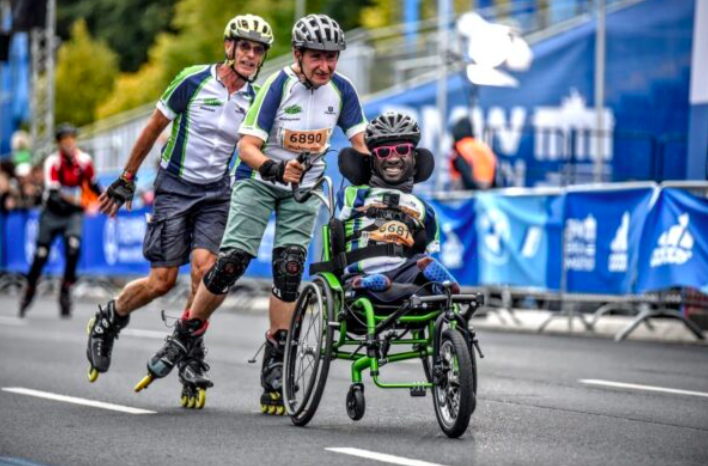
Isaac Harvey Takes on the Berlin Double
Isaac and Kevin are aiming to raise £5,000 for Wheels and Wheelchairs, an inclusive sports club that brings wheelchair users and roller skaters together.