
Q&A with Ripplevale: What’s Out There for Young People Who Learn Best by Doing?
For learners with complex profiles, this approach isn’t just beneficial; it’s often essential. Real‑world tasks provide sensory feedback, movement, structure and purpose, the ingredients that help students stay motivated, calm and connected.
Sep 04
Summary
The most meaningful progress happens when a young person’s special interests, hobbies and passions are treated as the foundation of their learning.
Families often ask us where their practically minded teenagers can thrive after age 16, especially those who learn through movement, making, building, creating and real‑world experience. Ripplevale School Rochester is one of the strongest examples of a hands-on, specialist post‑16 offer designed specifically for students with unique learning profiles.
We spoke with Headteacher Natalie Christie to explore what makes their Rochester campus such a powerful environment for practical and tactical learners.
Why Practical Learning Unlocks Potential for SEN Learners
Many students with SEND make their biggest strides when learning feels tangible. Practical environments reduce cognitive load, lower anxiety and offer predictable routines, all of which support emotional regulation and engagement. Hands‑on learning can turn abstract concepts into concrete experiences, helping students build confidence through visible progress.
For learners with complex profiles, this approach isn’t just beneficial; it’s often essential. Real‑world tasks provide sensory feedback, movement, structure and purpose, the ingredients that help students stay motivated, calm and connected. This is why settings like Ripplevale Rochester stand out: they treat practical learning as a legitimate, respected pathway into adulthood.
The Power of Harnessing Special Interests
Many autistic learners, and often other neurodivergent profiles have special interests: deep passions or areas of focus that bring joy, curiosity and motivation. A special interest can be anything from textiles to construction, gaming, animals, transport, creative arts or history. These interests can become a powerful source of energy for many SEND learners and act as highly organised knowledge systems that help young people make sense of the world and feel confident in it.
When educators tap into these interests, learning becomes accessible. A familiar passion provides a stable starting point, helping students feel ready to engage. Special interests can also support communication, problem solving and emotional wellbeing, because they offer a predictable anchor in moments that might otherwise feel overwhelming.
In practical settings like Ripplevale Rochester, these interests are not only welcomed, they’re woven directly into vocational pathways. This allows students to build skills through something they already love, turning motivation into mastery and curiosity into future opportunities. With the foundations of hands‑on learning and strengths‑based teaching in mind, Ripplevale Rochester offers a powerful example of what this can look like in practice. Headteacher Natalie Christie shares her insight into the ethos, pathways and Preparing for Adulthood approach that shape their post‑16 provision.
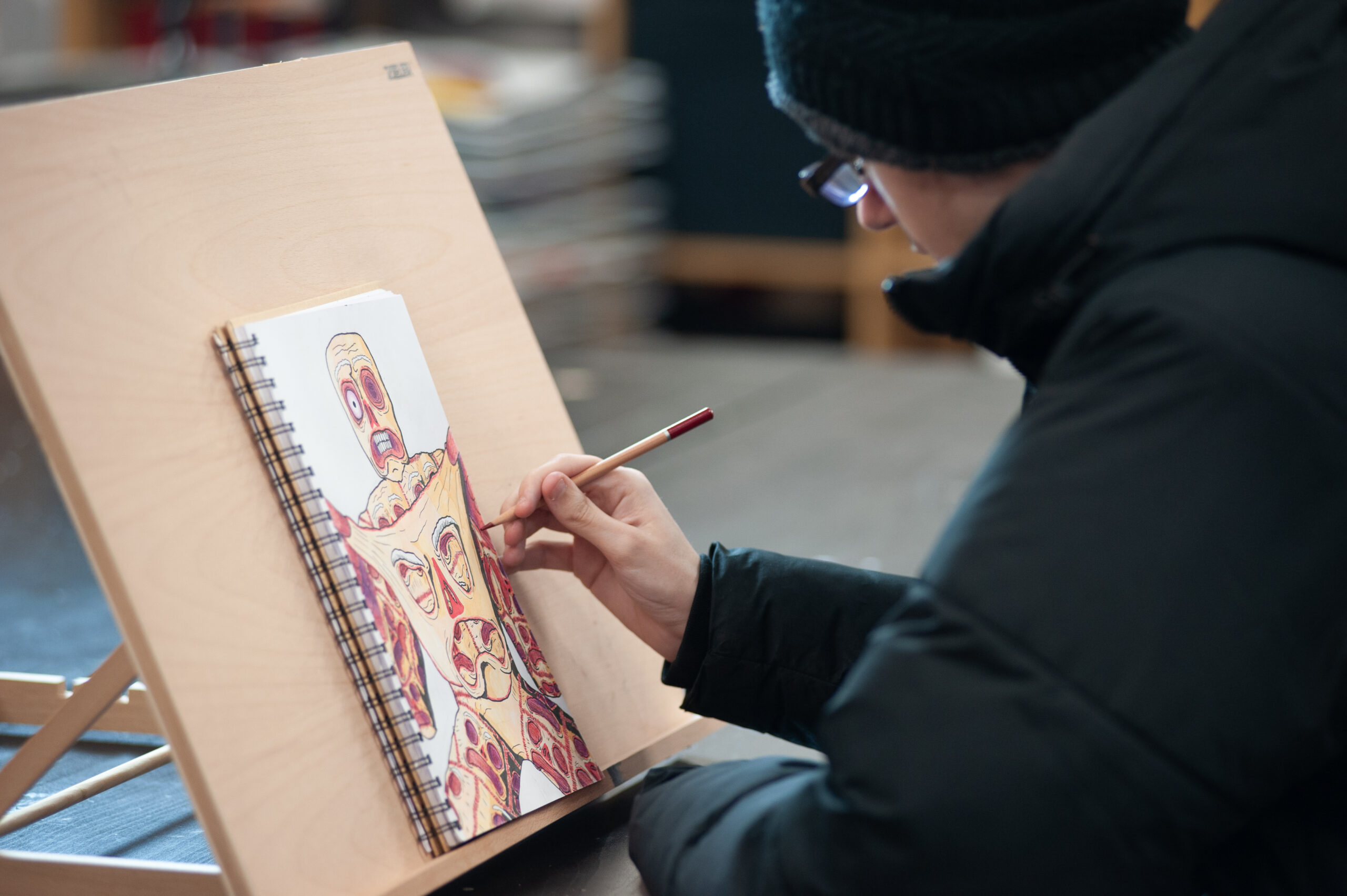
Ripplevale Rochester is known for its practical, hands-on approach. How would you describe the ethos behind your post-16 provision?
“Our ethos focuses on building confidence, independence and employability through personalised, practical learning in a nurturing environment. Designed specifically for autistic students/SEN learners for adulthood by combining vocational skills, life skills and therapies to help them thrive in further education, training, or work. By treating students as young adults, the college fosters self-worth and autonomy in a nurturing environment, ensuring that every learner can make meaningful progress relative to their individual starting points. Abstract concepts are converted into concrete tasks through structured, real-world environments.”
What vocational pathways do you offer at Rochester?
“The Rochester campus features specialist, on-site facilities tailored for hand-on disciplines. Key pathways include:
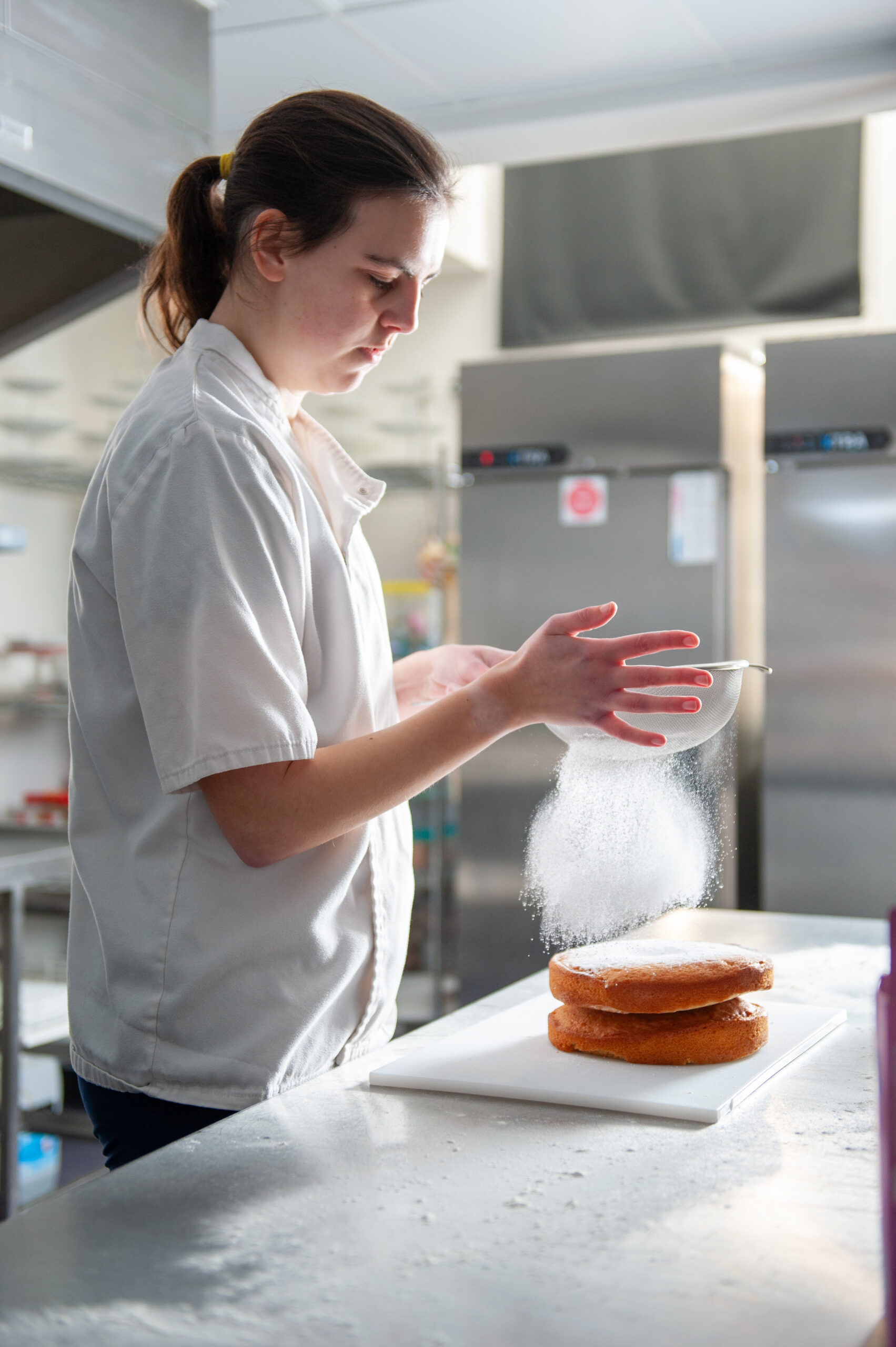
- Hospitality & Catering: taught utilising a dedicated catering kitchen and coffee shop called Rippleblend.
- Trade Skills / Construction: housed in a bespoke, fully equipped construction room.
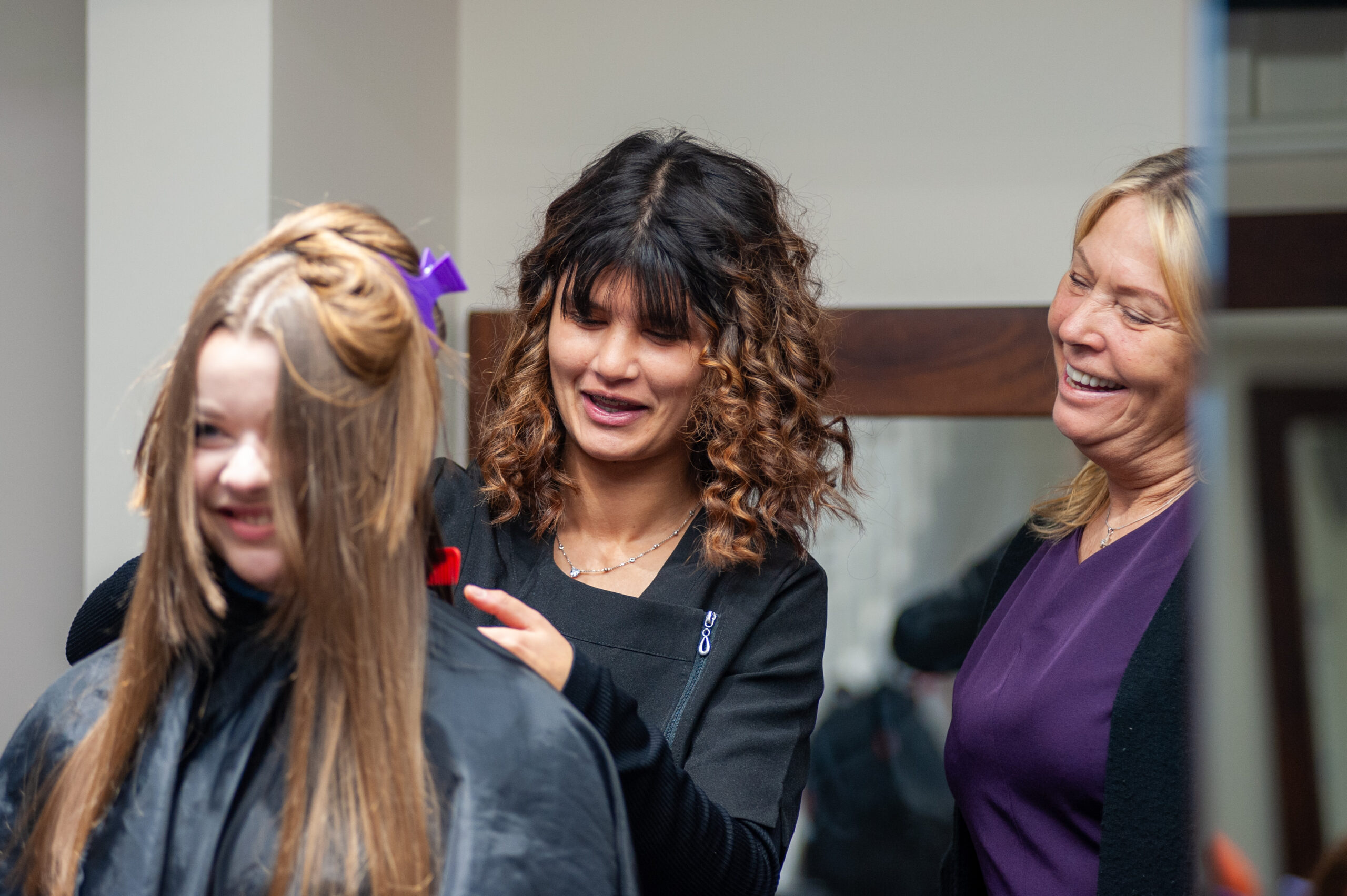
- Hair & Beauty: taught utilising a dedicated salon and beauty room called Mirror Image and Reflections.
- Creative Arts & Performing Arts: including specialised options like Textiles, Art, Music and Performing Arts.
- E-Sports: understanding the world of gaming and game design to support pathways in this industry.
- Animal Care: learning the different aspects of animal care which are practical and theory based.
- Equine Studies: a practical and theory based subject that allows students to gain experience and obtain qualifications for a career in this industry.
- Sports Leadership: physical and theory based to prepare for a career in the sporting industry in a range of different roles.
- Land Based studies: occupational studies for the workplace to develop knowledge and practical skills.
- Life Skills: preparation for adulthood.
- Citizenship: understanding the world around us.
- History: a pathway to support a range of career options.”
How do you bring real-world, practical learning into everyday teaching for autistic and SEN learners?
“Through on-site facilities (catering kitchen, construction workshop, coffee shop), work-related projects, functional skills and hands-on activities integrated with therapies. Learning links directly to real-life scenarios, with small-group, sensory-aware support.
Our teaching methods include:
Visual tasks instructions sheets: Complex tasks are broken down into step-by-step, highly predictable visual guides to reduce anxiety and build task independence.
Functional Academics: Maths and English are delivered via Functional Skills and GCSE formats, focusing on real-life applications. For example calculating finances or understanding workplace text.
Therapeutic Integration: Speech and Language and Occupational Therapists collaborate directly with teaching staff to embed communication and motor-skill strategies into workshop routines. Emotional well-being therapists are on hand to support all students with zones of regulations and self soothing strategies.”
How is work experience organised at Ripplevale, and how do you match students to placements that suit their strengths?
“Work experience is carefully scaffolded to protect student well-being while challenging their capabilities. We have a full time Work Experience Placement Officer who supports our students to secure external placements matching student interests, strengths, EHCP goals and career guidance (Unifrog/CXK). Ongoing support is provided with visits to placements, regular check-ins at the sites along with ongoing feedback and debriefs. Students who are not quite ready for external placements undertake internal work experience placements to build their skills and confidence in preparation for external placements.”
What kinds of employers do you partner with locally, and how do you prepare them to work confidently with SEND young people?
“Ripplevale builds close links with local businesses ranging from community cafes and retail outlets to fitness venues and local enterprise operations. Also via East Kent Business Partnership. To prepare these partners, Ripplevale’s specialist team acts as a bridge. Preparation includes employer briefings on SEND needs including student profiles, autism awareness, advice on communication preferences and assisting in designing clear visual timetables. This ensures local teams feel confident, knowledgeable and supported when welcoming SEND young people into their business.”
How do you weave independence-building into the hands-on curriculum? For example travel training, teamwork, communication, or workplace routines?
“Through dedicated Preparing for Adulthood sessions (employment, independent living, community, health), travel training (structured, staff-supported practice teaching students to navigate public transport independently), life skills (cooking, finance, cleaning), RSHE, teamwork and enterprise in vocational projects (participating in projects like Young Enterprise where students collectively setup small businesses and delegate operational roles) and workplace routines in on-site settings (adhering to visual timetables, managing time, dressing appropriately and completing safety checks).”
How does your post-16 provision support the Preparing for Adulthood outcomes, especially for students who thrive with practical learning?
“The curriculum is explicitly mapped against national Preparing for Adulthood pillars with personalised timetables, vocational qualifications, work experience, functional English/Maths and independence skills. Practical learners benefit from hands-on pathways and real-work simulations.”
How do you involve families in shaping vocational pathways and planning next steps?
“Ripplevale hosts structured Open & Options Evenings to review progress alongside parents., regular liaison with parents on EHCP outcomes, personalised programmes, careers meetings. Unifrog access (with parent logins) and transition planning with colleges/employers. Our dedicated Pastoral and Academic leads maintain constant home-school lines, ensuring that families are active participants in annual EHCP reviews, work experience decisions and transition planning.”
What makes the Rochester site’s post-16 offer stand out for young people with SEND who learn best by doing?
“Ripplevale combines mainstream academic opportunities with a specialist, therapeutic framework. Rather than separating therapy from the classroom, qualified speech therapists, occupational therapists and Dyslexia specialists are embedded directly into the vocational workshops and teaching areas. This approach allows hands-on learners to gain qualifications and independence without their anxieties or communication differences acting as a barrier to success. We have a dedicated post-16 building with specialist facilities (catering kitchen, construction workshop, Beauty salon, Hairdressing salon, Art studio, Textiles studio and esports centre). We offer a small nurturing environment, strong vocational focus, integrated therapies and personalised practical pathways tailored for hands-on learners.”

Navigating the Post‑16 Transition: A Milestone Filled with Change
At SEND Tutoring, we see first‑hand how challenging the post‑16 transition can be for families. It’s one of the biggest milestones in a young person’s educational journey. It’s full of possibility, but also full of change. New environments, new expectations, new routines, and often the end of a long relationship with a familiar school community. Families tell us that this stage can feel like stepping into the unknown.
Part of the difficulty is simply the landscape: there are not many post‑16 options for autistic and SEN learners, and the quality, ethos and suitability of each setting varies widely. Waiting lists can be long. Information can be patchy. And the “right next step” depends entirely on a young person’s profile, needs, interests and future aspirations.
This is exactly why SEND Tutoring spotlights settings like Ripplevale. Their hands‑on, therapeutic, highly personalised model reflects the kind of provision we know makes a difference, especially for learners who thrive through doing. By showcasing strong examples, we aim to give families clarity at a time when the next step can feel anything but clear.

Finding the Right Pathway into Apprenticeships, Work and Adulthood
For neurodivergent learners, the journey into apprenticeships, supported internships or employment isn’t always straightforward. It depends on the right environment and the right match between a young person’s strengths and the demands of the workplace.
Ripplevale’s approach aligns closely with what we encourage in our work with families. Their vocational pathways, embedded therapies and carefully structured work experience give students the chance to build confidence, communication and independence in real‑world settings. For some learners, this becomes a stepping stone into apprenticeships; for others, further education or supported employment. What matters most is that the pathway is realistic, respectful and rooted in the young person’s needs, not a one‑size‑fits‑all expectation.
At SEND Tutoring, we help families understand these routes, explore what’s possible, and make informed decisions that honour their child’s profile and potential. Showcasing Ripplevale is part of that mission: highlighting settings that genuinely prepare young people for adulthood, not just for exams.
Practical Learning Matters
The most meaningful progress happens when a young person’s special interests, hobbies and passions are treated as the foundation of their learning. Ripplevale’s Q&A highlights exactly why this matters: when education mirrors what a learner already loves, practical learning becomes a bridge into independence, communication, and future pathways. This is the heart of our approach too. We champion strengths‑based teaching because it works. It unlocks potential that traditional methods often miss. As families navigate the uncertainty of post‑16 transition, one truth stands out clearly: when a young person’s passions lead the way, their future opens up.
Support for Every Learner
Discover how SEND Tutoring supports students with a wide range of needs, including autism, ADHD, dyslexia, PDA, SEMH, epilepsy, and more.
Resources and Insights
Stay Connected
Follow us on social media for updates, tips, and stories from our SEND community.
About the author
Ella Jones
If you’re looking for support for a child or young person with special educational needs or a disability, book a free call with us today and find out how we can help.
Share this
Podcast, blog and more
More news and resources from SEND Tutoring
Support
Oct 02
8 Min Read
ADHD Does Not Need to Be ‘Fixed’: What Understanding a Child Can Change
We do not have to choose between recognising that ADHD can create significant difficulties and recognising that an ADHD brain does not need to be treated as a faulty version of somebody else’s.
Media
Oct 02
11 Min Read
The Dopamine Menu: Keeping ADHD Brains Motivated
This ADHD Awareness Month, discover how a dopamine menu can help us work with, rather than against, the way ADHD brains respond to motivation and reward.
Support
Sep 24
3 Min Read
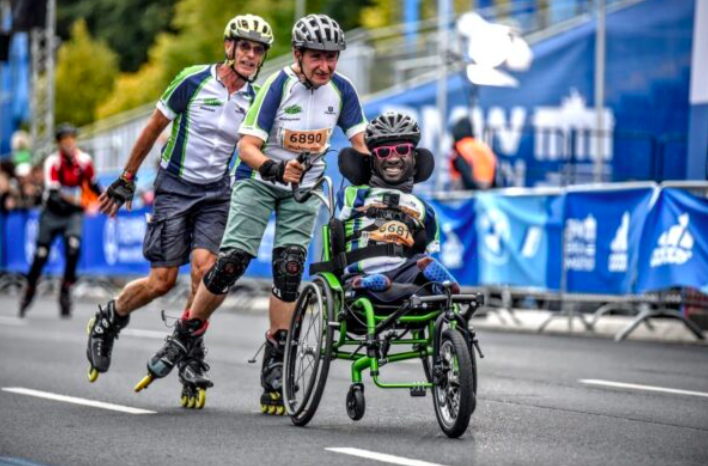
Isaac Harvey Takes on the Berlin Double
Isaac and Kevin are aiming to raise £5,000 for Wheels and Wheelchairs, an inclusive sports club that brings wheelchair users and roller skaters together.